|
Getting your Trinity Audio player ready... |
India is preparing for a major shift in its surveillance ecosystem as the government tightens rules around internet-connected CCTV cameras. The move is primarily aimed at addressing rising concerns over national security and data privacy risks linked to foreign-made devices.
Authorities have found that several widely used CCTV systems may not be as secure as users believe. Reports of vulnerabilities and weak safeguards have raised alarms, prompting officials to take decisive action. As a result, stricter compliance and certification requirements are being enforced across the industry.
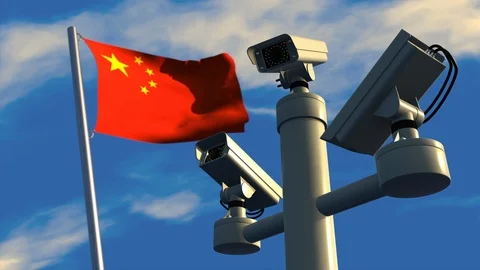
The new regulations will effectively restrict the sale of certain Chinese CCTV brands in India, especially those that fail to meet the country’s updated security standards. Major companies like Hikvision, Dahua, and TP-Link are expected to be impacted by this decision.
Security Concerns Trigger Policy Shift
One of the key reasons behind this crackdown is the potential misuse of CCTV systems. Since most modern cameras are connected to the internet, they can transmit data to remote servers. If not properly secured, this data including live video feeds can be accessed by unauthorized entities.
There have even been alarming instances where surveillance footage from sensitive locations allegedly reached foreign entities, raising serious national security concerns. Such incidents have pushed authorities to rethink existing policies and strengthen oversight mechanisms.
Under the new framework, all CCTV devices must undergo strict testing and certification processes. These checks cover hardware, software, and cybersecurity standards to ensure that devices cannot be easily hacked or manipulated. Products without proper certification will no longer be allowed in the Indian market.
The government is also refusing certification for devices that rely on Chinese-origin components, effectively shutting the door on many foreign manufacturers. This aligns with broader efforts to reduce dependence on external technology in critical infrastructure.
Market Impact and Consumer Concerns
This decision is expected to significantly reshape the CCTV market in India. Domestic manufacturers have already begun gaining ground, capturing a large share of the market as foreign players face restrictions.
However, the shift may come with short-term challenges for consumers. With cheaper Chinese options being phased out, prices of surveillance systems could increase due to higher production costs and limited supply alternatives.
For existing users, there is no immediate ban on currently installed devices. But concerns remain regarding long-term support, software updates, and potential vulnerabilities in older systems.
Experts also warn that simply banning new devices may not fully solve the problem. Millions of cameras already in use could still pose risks if not properly updated or secured. This makes auditing and upgrading existing infrastructure equally important.
A Strategic Push for Safer Surveillance
Ultimately, the government’s move reflects a larger strategy to secure India’s digital and physical infrastructure. By enforcing strict certification norms and limiting high-risk imports, authorities aim to ensure that surveillance tools do not become security threats themselves.
The transition may disrupt the market in the short term, but it also opens new opportunities for Indian manufacturers to innovate and expand. As the country moves toward safer and more reliable surveillance systems, the focus remains clear security must not be compromised in the name of convenience.